
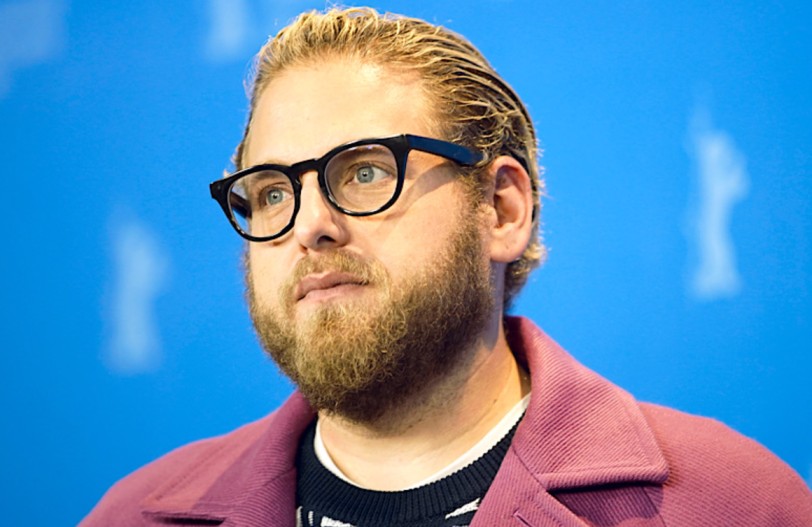
From Comedy Sidekick to Serious Storyteller
Few Hollywood actors have transformed their public persona as boldly and deliberately as Jonah Hill. Once known primarily for his hilarious, offbeat roles in films like Superbad and 21 Jump Street, Hill has evolved into a multifaceted talent—screenwriter, director, and advocate for mental health—all while challenging the industry’s long-standing perceptions of body image and masculinity.
His journey has been anything but conventional. But that’s exactly what makes it powerful.
Breaking Out of the Box
Hill’s early career was built on fast-talking, lovable oddballs—a niche he mastered with sharp comedic timing. But even as audiences laughed, Hill felt the weight of being typecast. “People still see me as that kid from the comedy,” he once shared in an interview. “I get it. But I’ve changed. I’m still changing.”
The shift became visible when he took on more complex, dramatic roles in films like Moneyball (2011) and The Wolf of Wall Street (2013)—both of which earned him Academy Award nominations for Best Supporting Actor. These performances revealed a depth many hadn’t seen before, marking the beginning of Hill’s transformation in the eyes of Hollywood and the public.
Behind the Camera: A Director’s Voice
In 2018, Hill made his directorial debut with Mid90s, a nostalgic coming-of-age film that explored skate culture and adolescent identity in 1990s Los Angeles. Drawing heavily from his own youth, the movie proved he wasn’t just a talented actor—he was a thoughtful filmmaker with something to say.
With its gritty realism and heartfelt moments, Mid90s resonated with critics and audiences alike, solidifying Hill’s voice behind the camera as one rooted in authenticity and emotional honesty.
Speaking Up on Mental Health and Image
In recent years, Hill has become a leading voice in conversations around self-acceptance and mental health—especially for men. After years of enduring public commentary about his body, he began to reclaim the narrative on his own terms.
In 2022, he released Stutz, a deeply personal documentary centered on his relationship with his therapist, Dr. Phil Stutz. The film not only offered insight into Hill’s inner world but also helped destigmatize therapy by portraying it as a tool for empowerment, not weakness.
Through interviews and social media, Hill has been candid about anxiety, setting boundaries with the media, and the importance of mental wellness. His openness continues to challenge outdated norms of what it means to be a man in Hollywood.
The Jonah Hill of Now
Today, Jonah Hill is more than an actor. He’s a creative force, a storyteller, and a symbol of personal evolution. Whether he’s exploring fashion (he’s become an unexpected style icon), working on new writing projects, or simply stepping back from the spotlight to protect his peace, he does so on his own terms.
“I’m trying to live my life authentically,” Hill once said—and in doing so, he’s inspiring others to do the same.
Jonah Hill’s career is a testament to growth—messy, real, and ongoing. He’s not the punchline. He’s not the sidekick. He’s the lead in a story that he’s finally writing for himself.
And the rest of us? We’re lucky to be watching it unfold.
Leave a Reply