
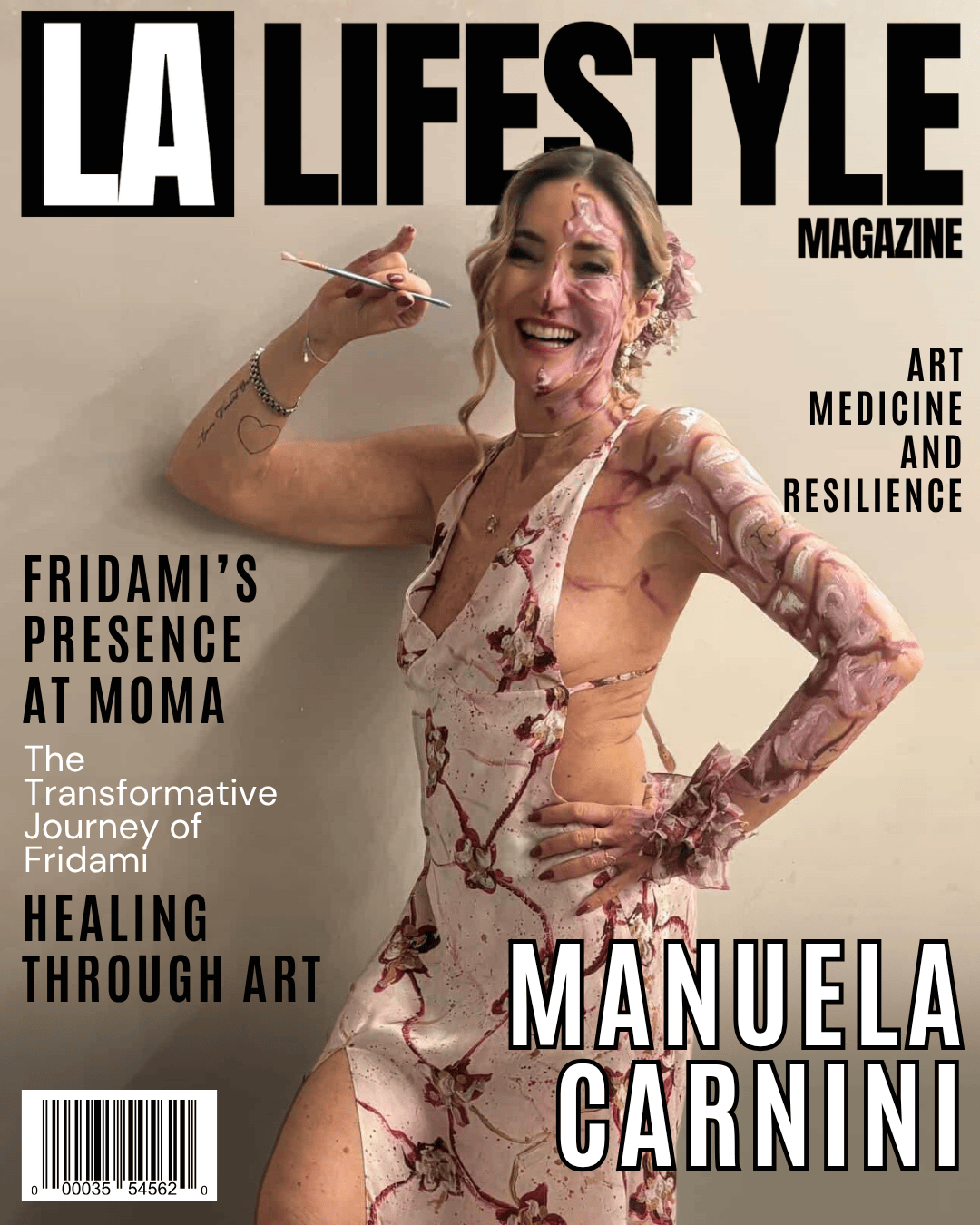
Interviewer: Manuela Carnini, known artistically as Fridami, your life journey is incredibly multifaceted. How would you describe the essence of who you are today?
Fridami (Manuela Carnini): I see myself as a woman shaped by transformation. Every chapter of my life—sport, medicine, motherhood, and art—has contributed to who I am. At the core, I believe in resilience and in the ability to turn even the most difficult experiences into something meaningful and empowering.
Interviewer: Before your work in medicine and art, you represented your country at the 1996 Summer Olympics. How did that experience influence your path?
Fridami: Being an Olympic synchronized swimmer taught me discipline, focus, and perseverance. It required both physical strength and emotional control. Those lessons never left me—they shaped how I approach challenges in every area of my life, from surgery to creative expression.
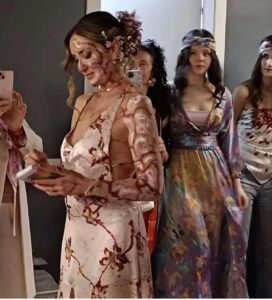
Interviewer: You are also a vascular surgeon, a field that demands immense precision and responsibility. How do you balance such a demanding career with your artistic pursuits?
Fridami: Medicine and art may seem different, but for me, they are deeply connected. As a surgeon, I work to heal the body. As an artist, I work to heal the soul. Both require dedication, empathy, and attention to detail. They complement each other in ways that allow me to express care in different forms.
Interviewer: Your story also includes overcoming personal trauma. How did that experience shape your artistic identity?
Fridami: Surviving violence changed my perspective on life. Instead of allowing pain to define me, I chose to transform it. Art became my language—a way to process emotions and to give voice to strength, rebirth, and hope. Through my work, I want other women to feel seen and empowered.
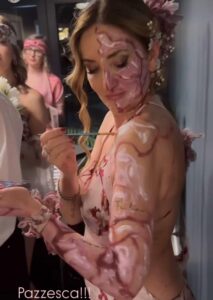
Interviewer: Your artistic journey has reached major international platforms. Can you tell us about some of those milestones?
Fridami: It has been an emotional and meaningful journey. My work has been showcased at important global events such as the Venice Biennale, the Lido Film Festival, Art Basel Miami, and Milan Fashion Week. Each of these experiences allowed me to share my message with diverse audiences and connect through art on a deeper level.
Interviewer: We’ve also heard about your upcoming recognition at one of the world’s most prestigious institutions.
Fridami: Yes, it is truly an honor. I have been selected by the Museum of Modern Art to deliver a keynote lecture on June 19th. For me, this represents not just a professional milestone but the culmination of a journey built on passion, sacrifice, and rebirth. It’s a moment that reflects how far this vision has come.
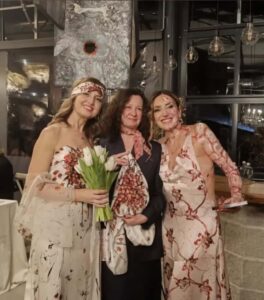
Interviewer: Your vision has expanded into fashion with your collection “Art on the Body.” What inspired this concept?
Fridami: I wanted to take art beyond the canvas and make it part of everyday life. “Art on the Body” allows people to wear a message, not just a design. Each piece carries meaning—it represents beauty, strength, and rebirth. It becomes a personal statement of empowerment.
Interviewer: Your recent fashion show drew a lot of attention. What made it unique?
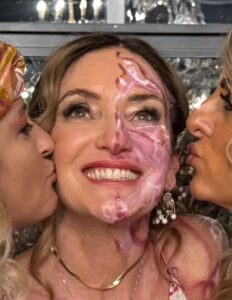
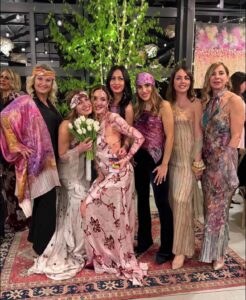
Fridami: The show was very special to me because it reflected inclusivity and purpose. The “Art on the Body” collection—featuring silk dresses and accessories created from my artwork—was worn not only by women but also by men as a symbol of unity and inclusion. It was important to show that this message belongs to everyone. Through the collection, I wanted to communicate a living, authentic stand against violence and in support of meaningful social causes.
Interviewer: There is also a strong social mission behind your work. Can you tell us more about that?
Fridami: As a survivor, I feel a deep responsibility to give back. Part of the proceeds from my collection goes to organizations that support women affected by violence. My mission is to use art and fashion as tools for awareness, solidarity, and real change.
Interviewer: Looking at your journey—from the Olympic pool to the operating room and now the art world—what does it all represent to you?
Fridami: It represents evolution. Life is a continuous transformation, and every experience has shaped me into who I am today. I try to use that journey to inspire others and show that even from pain, something beautiful can emerge.
Interviewer: What message would you like to share with women around the world?
Fridami: That strength comes from within. No matter what you face, you have the power to rebuild, to rise, and to create a new chapter. Your story matters, and it can become a source of light for others.
Through her extraordinary path, Fridami stands as a symbol of resilience and reinvention. Olympian, surgeon, survivor, and artist, she transforms life’s challenges into expressions of beauty and strength—proving that creativity can heal and that every woman has the power to rise again.
Leave a Reply